![What is Sublingual Immunotherapy (SLIT)? [Visual Handout]](https://asthma2.com/masa/wp-content/uploads/2026/02/ChatGPT-Image-Feb-27-2026-05_08_42-PM-bgonly-logo-1080x675.png)
by MASA | Jul 21, 2026 | Allergies, Patient Resources
Sublingual Immunotherapy (SLIT): A Breakthrough in Allergy Treatment Sublingual Immunotherapy (SLIT) is a cutting-edge method for managing allergies that offers a convenient and effective alternative to traditional treatments like allergy shots. This innovative...

by MASA | Jul 16, 2026 | Mast Cells Activation Syndrome (MCAS), Patient Resources, Postural Orthostatic Tachycardia Syndrome (POTS)
Postural Orthostatic Tachycardia Syndrome (POTS) often involves deconditioning: a smaller, weaker heart that must beat faster to compensate. Standing or upright exercise can trigger the very symptoms — racing heart, lightheadedness, fatigue — that make it hard to move...

by MASA | Jul 15, 2026 | mast cells, Patient Resources
Low-Histamine Eating for Mast Cell Disorders A Patient Guide for MCAS, Mastocytosis, and Related Conditions by Midwest Allergy Sinus Asthma SC Some foods are naturally high in histamine or trigger histamine release in the body. For patients with mast cell disorders,...
![Allergy Diagnosis by Skin Prick Testing [Visual Handout]](https://asthma2.com/masa/wp-content/uploads/2026/07/bg_skin_prick_test-1024x675.png)
by MASA | Jul 6, 2026 | Allergies, Patient Resources
Allergy Diagnosis by Skin Prick testing Allergy Diagnosis by Skin Prick Testing Does Skin Testing Predict How Allergic You Are? MIDWEST ALLERGY SINUS ASTHMA (MASA) Sneeze Wheeze & Itch Associates | MASA Food Allergy Center for Treatment Author: Dareen Siri MD Step...
by MASA | Jul 6, 2026 | Allergies, Food Allergies / Intolerance, Patient Resources
MIDWEST ALLERGY SINUS ASTHMA (MASA) Sneeze Wheeze & Itch Associates | Food Allergy Center Despite being careful, you may accidentally come in contact with something to which you are allergic or even a derivative or cross reactive product that your immune system...
by MASA | Jun 23, 2026 | Patient Resources, Stinging Insect Allergy
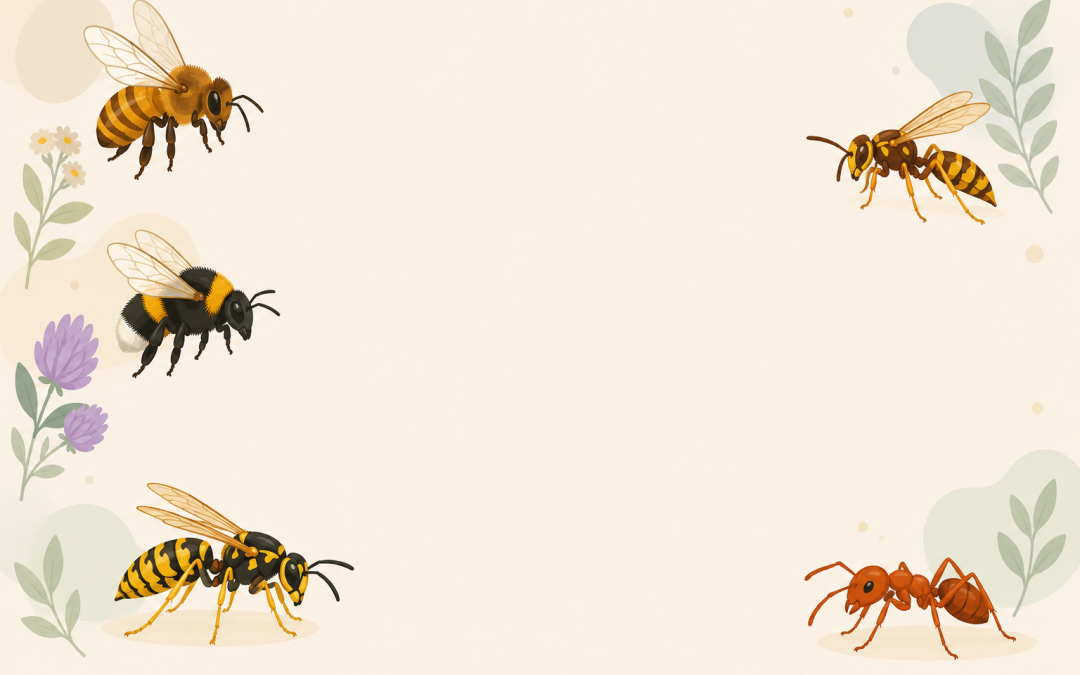
What Are Stinging Insects? Stinging insects are members of the order Hymenoptera. In the United States, the most medically important stinging insects include: Venomous Bees Honeybee (Apis mellifera) Bumblebee (Bombus spp.) Venomous Wasps & Ants Yellow Jacket...