Food Allergy Resources
Midwest Allergy Sinus Asthma, SCHaving a food allergy means that the body has produced an unnatural overreaction in the immune system to a food protein. The allergic response is a very brisk one, and the body can react to even minute quantities of an offending food.
An allergic person’s body, upon exposure to the specific food, releases allergic chemicals that creates food allergy symptoms, such as vomiting, diarrhea, hives, and wheezing. Since the immune system is present throughout the body, many different parts of the body can be affected. Symptoms can be mild, such as a few hives in an area where the skin has briefly touched a food allergen, or it can be as severe as anaphylactic shock. A systemic allergic reaction is called anaphylaxis, which can be mild to severe, as well. It is essential to remember that the amount of allergen physically ingested does not predict how severe a food allergy will be, since even slight amounts can cause severe reactions…
Read more at http://www.treatfoodallergy.com/
Symptoms of food allergy and food intolerance may be similar, but what is actually happening on a biological level is quite different. Food intolerance typically causes uncomfortable gastrointestinal symptoms, such as nausea, bloating, abdominal pain, or diarrhea. However, there is no allergic reaction within the body, and, thus, no risk for anaphylaxis. Read more about the difference between a food allergy and a food intolerance here.

Related Articles:

Fa-la-lah-choo! Allergic to the Holidays?
During December, many of the 50 million allergy sufferers in the United States may feel as though they’ve just recovered from their fall allergy symptoms when a whole new round of allergies crop up. Indoor allergy and asthma triggers can strike year-round round, and...
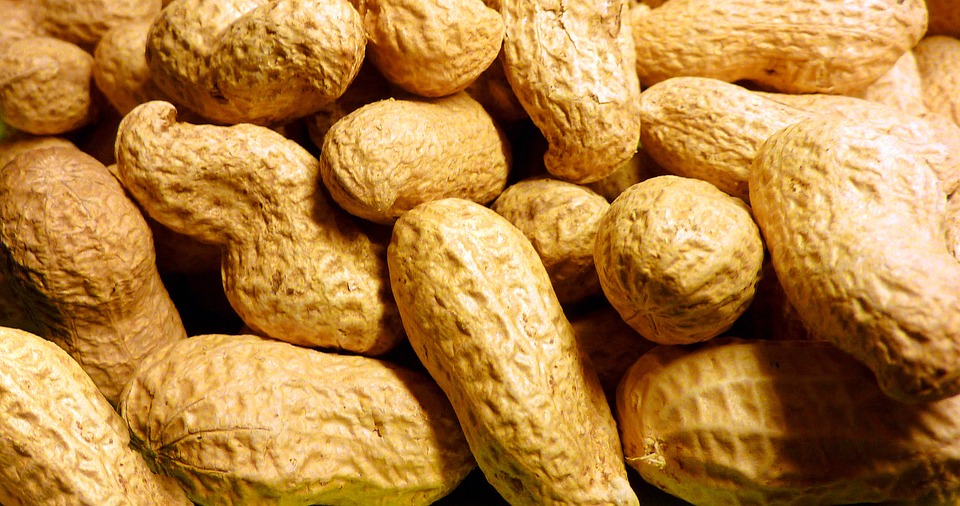
Peanut Allergy AR101 Oral Immunotherapy
Currently, there are some approved treatment options for those afflicted with a peanut allergy. This particular allergy greatly affects those who are at risk for unpredictable and life-threatening allergic reactions. While strict avoidance of peanuts and epinephrine...
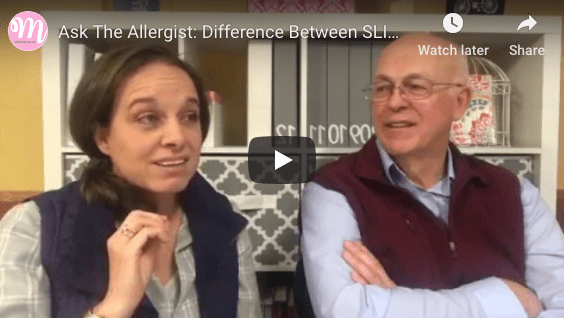
Dr. Kaufmann Discusses Food Allergy Treatment
Watch Dr. Kaufmann speak with the Milk Allergy Mom about food allergy treatments and desensitization! Dr. Robert Kaufmann is a specialist in Pediatric and Adult Allergy, Asthma, and Immunology, along with a detailed history working with Maternal Fetal Medicine,...
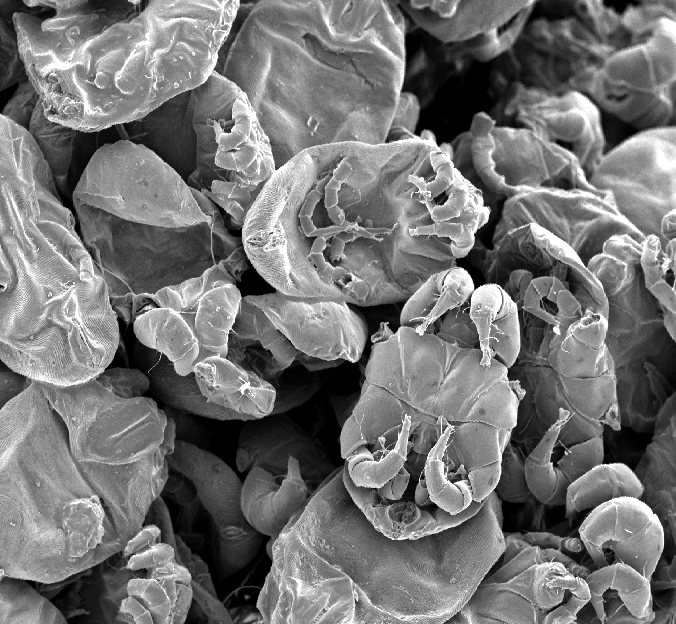
Leave Winter Allergy and Asthma Misery Out in the Cold (with Visual Handout)
House dust mites are the most common cause of allergic rhinitis in the United States. Over 4 out of 5 U.S. households contained detectable levels of dust mites. Only 5 out of 10 patients with allergic rhinitis were sensitized to house dust mite allergens. Winter often...