
Allergic Conjunctivitis Resources
Midwest Allergy Sinus Asthma, SCWhen allergy occurs in the eye, it is called allergic conjunctivitis. The most frequent symptoms of allergic conjunctivitis are itching, watering, and redness. Many patients will also experience nasal symptoms. The first step toward relief of eye allergy is proper diagnosis.
Unlike pink eye, known as infectious conjunctivitis, allergic conjunctivitis is a reaction to allergens that get into the eye, and is not contagious. Allergic conjunctivitis usually occurs in both eyes instead of in just one. Irritants can cause similar symptoms, but this is not considered an allergic reaction.
Allergies develop when the immune system overreacts to something in the environment that is normally considered harmless. Common triggers for allergic conjunctivitis include pollen from trees, grasses, weeds, animal dander, and dust mites….
Read more here.


Related Articles:

What Is Allergic Rhinitis?
Sufferers of allergic rhinitis can experience any combination of nasal congestion, runny nose, sneezing, and nasal itching. Severe symptoms can include fatigue, frequent sinus infections, sinus headaches, and brain fog. Commonly referred to as hay fever, allergic...
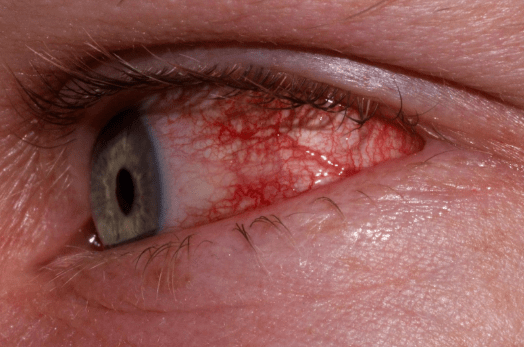
What Is Allergic Conjunctivitis?
When allergy occurs in the eye, it is called allergic conjunctivitis. The most frequent symptoms of allergic conjunctivitis are itching, watering, and redness. Many patients will also experience nasal symptoms. The first step toward relief of eye allergy is proper...
What Is A Pollen Allergy?
Also known as “seasonal allergic rhinitis” and “hay fever,” pollen accounts for the most common of triggers when it comes to seasonal allergies. Each season, aside from the winter season, plants release tiny pollen grains into the air for fertilization. Most pollen...
What Is A Dust Mite Allergy?
Dust mites are a common trigger for those who suffer from allergies and/or asthma. They are too small to see with your eyes alone. There are at least thirteen different species of mites, and they feed mainly on shedded, tiny flakes of human skin. These flakes are...