Allergic Rhinitis Resources
Midwest Allergy Sinus Asthma, SCCommonly referred to as hay fever, allergic rhinitis occurs when the immune system overreacts to something normally considered harmless. Common triggers include pollen, animal dander, dust mites, and mold spores. Pollen can trigger seasonal symptoms, while other allergens may cause year-round symptoms.
The first step in treatment is proper diagnosis. Some patients with rhinitis symptoms do not have an allergy. Skin or blood testing can determine which allergens are affecting you, if any. Treatment may include avoiding allergens, medication, and/or desensitization, known as immunotherapy.
Medication selection is individualized to each patient, based on the symptoms that are most bothersome. Immunotherapy is also individualized to each patient, as a specific mix of allergens affecting that patient are used. For patients wanting to avoid allergy shots, desensitization can be achieved with sublingual dosing (drops under the tongue).
Other resources:

Related Articles:

Allergy Shots: Could They Help Your Allergies?
Written by Dana Dalbak, PA-C Curious about allergy shots? Here are some frequently asked questions about allergy shots and some ways they could benefit you... Allergy shots, also called allergen immunotherapy, is a form of long-term therapy to relieve allergy...
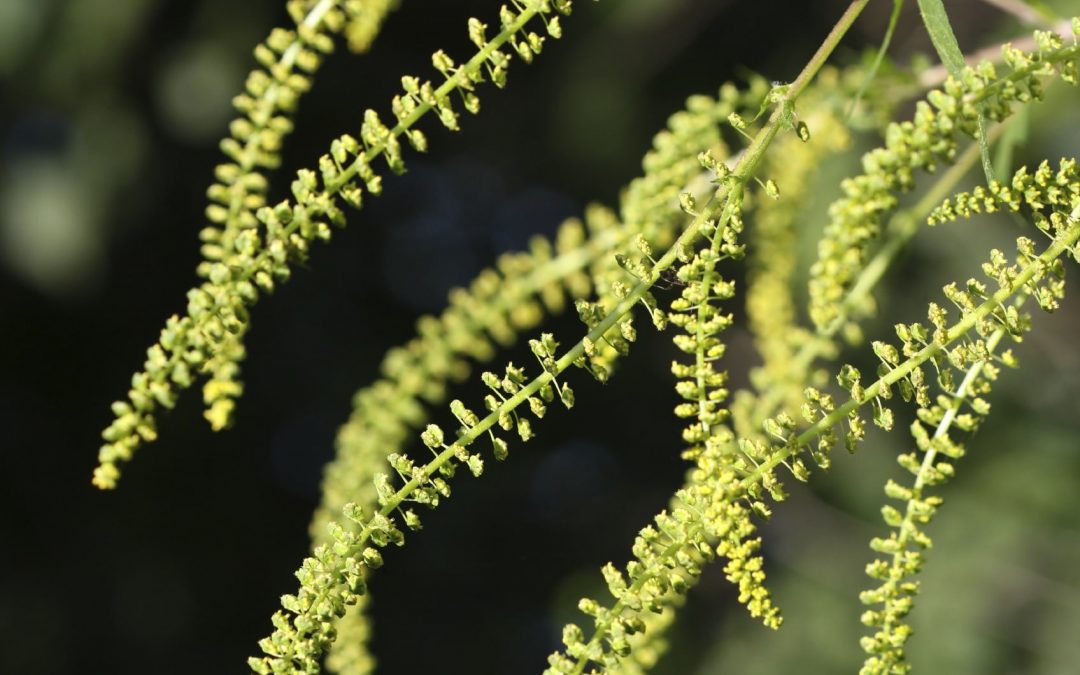
Ragweed Pollen: Coming Soon to a Place Near You!
During the Fall months, ragweed pollen assumes center stage as the primary foe for hay fever sufferers. Hay fever, also known as allergic rhinitis, is triggered by airborne allergens, such as pollen. Symptoms include runny nose, congestion, sneezing, and...
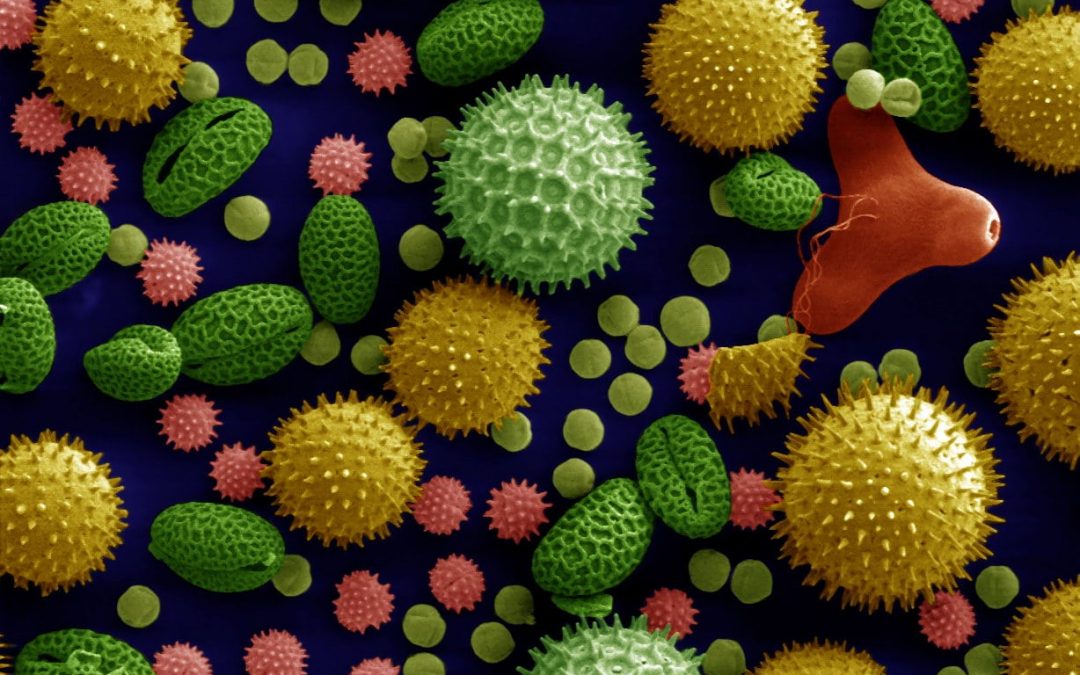
10 Simple Tips to Beating Pollen Allergies
As the frigid weather finally thaws and the flora of central Illinois hungrily start to bloom, people with pollen and mold allergies will notice the itching, rubbing, sneezing, and stuffiness that surface during spring. “Cold, wet winters predict a very brisk growing...